Japanese Fashion Designers: Avant-Garde Design, Craftsmanship and Modern Luxury
Japan has produced some of the most influential fashion designers of the modern era. From the radical Japanese designers who transformed Paris fashion in the 1980s to Tokyo's experimental street style and a new generation of independent brands, Japanese fashion has repeatedly challenged established ideas of beauty, proportion, construction, gender, and luxury.
What distinguishes Japanese fashion is not a single aesthetic. Minimalism exists alongside extreme experimentation; traditional craftsmanship alongside technical innovation; precision alongside deliberate imperfection. Designers frequently approach clothing as an exploration of form and material rather than simply a response to seasonal trends.
This philosophy has made Japan one of the most important sources of independent and avant-garde fashion globally. From Tokyo to the international runways of Paris, Japanese designers continue to influence how contemporary fashion is constructed, styled, and understood.
Why Japanese Fashion Is So Influential
The international impact of Japanese fashion accelerated dramatically in the late twentieth century. Designers arriving in Paris challenged the fitted silhouettes, conventional ideas of luxury, and Western construction methods that dominated European fashion at the time.
Asymmetry, deconstruction, monochromatic palettes, oversized proportions, raw edges, layering, and unconventional relationships between fabric and the body became central to this new design language.
These ideas changed international fashion. Clothing did not need to follow the shape of the body. Black could become a complete design vocabulary rather than simply a color. Imperfection could be intentional. A garment could be intellectual, emotional, functional, and beautiful without conforming to conventional definitions of glamour.
The influence of these principles remains visible throughout contemporary fashion today.
Famous Japanese Fashion Designers
Few countries have produced a group of designers as transformative as Japan.
Yohji Yamamoto is one of the defining figures of avant-garde fashion. Known for his mastery of black, oversized silhouettes, exceptional tailoring, and unconventional approach to the relationship between fabric and the body, Yamamoto has developed a design language that remains unmistakably his own.
Rei Kawakubo fundamentally challenged conventional ideas of garment construction through Comme des Garçons, using asymmetry, abstraction, deconstruction, and unexpected volume to expand the boundaries between fashion, art, and the body.
Issey Miyake transformed the relationship between textiles, technology, movement, and clothing, developing innovative approaches to pleating and garment construction that continue to influence designers worldwide.
Junya Watanabe has built his own influential practice around technical construction, fabric experimentation, and the transformation of familiar wardrobe categories.
Designers including Chitose Abe of Sacai and Yasuko Furuta of TOGA have continued this culture of experimentation. Furuta's work with TOGA is particularly recognized for bringing together contrasting references, unconventional construction, distinctive hardware, and a highly individual approach to contemporary Japanese fashion.
Together, these designers established Japan not as a follower of European fashion, but as one of the industry's most important sources of new ideas.
Yohji Yamamoto at DOORS NYC
At DOORS NYC, Yohji Yamamoto provides a direct connection to this extraordinary history of Japanese avant-garde design.
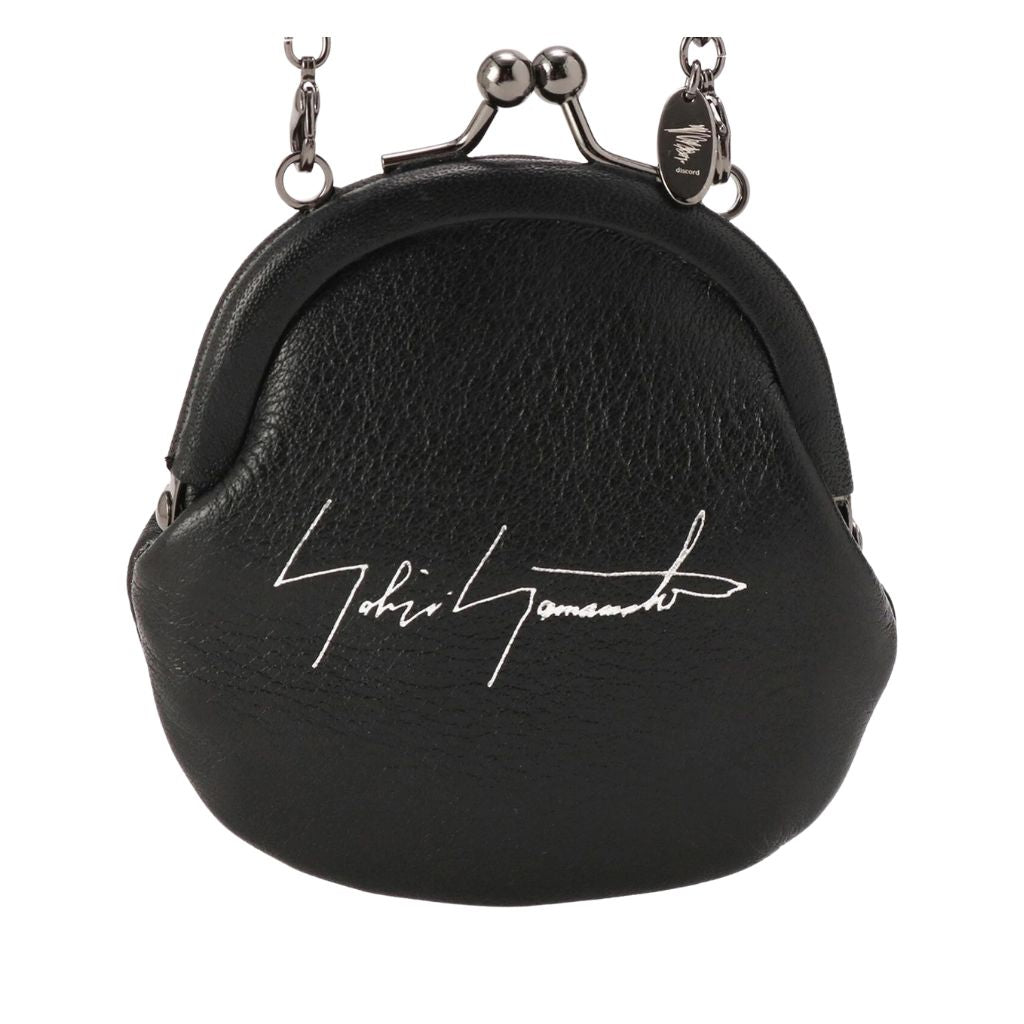
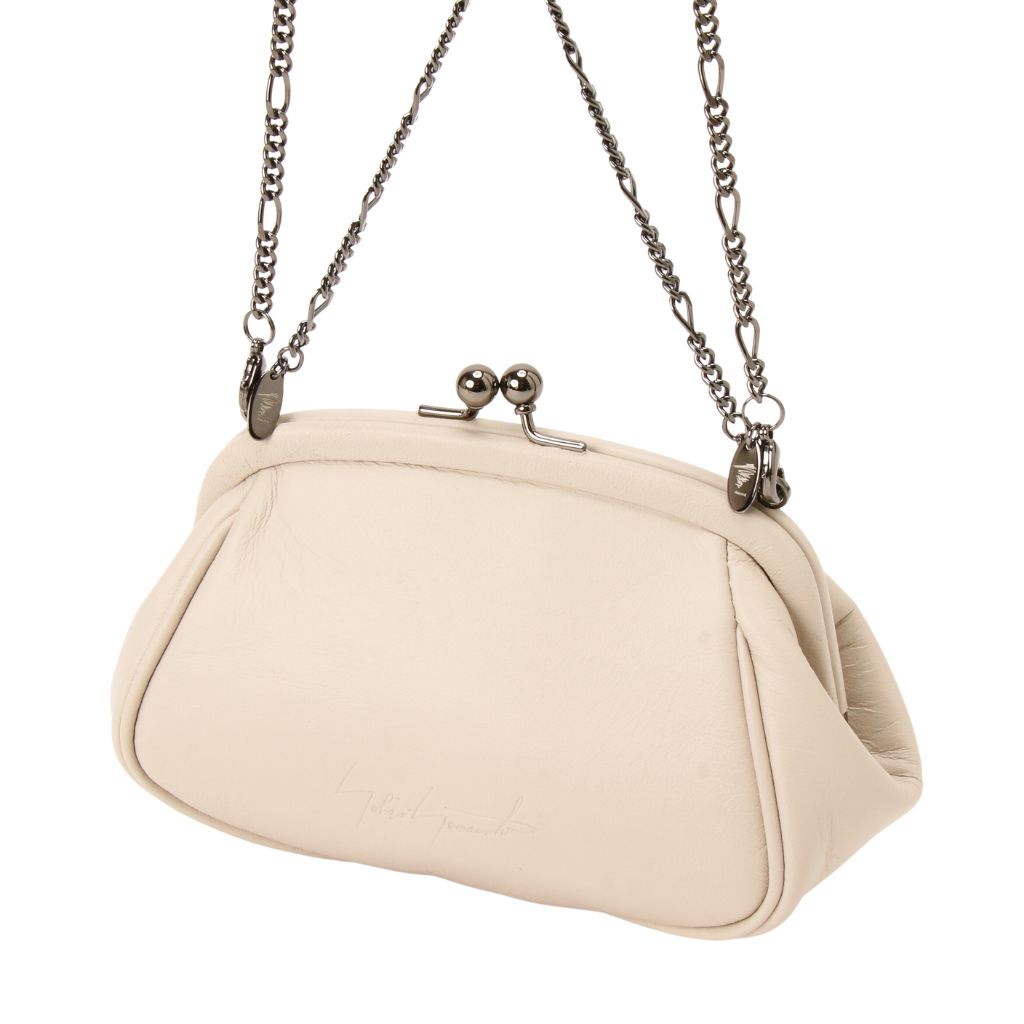
Through DISCORD YOHJI YAMAMOTO, the designer's approach extends into bags, jewelry, and accessories. The line translates elements of the wider Yohji Yamamoto design language into objects that combine functionality, restraint, craftsmanship, and unconventional detail.
Rather than treating accessories as secondary to clothing, the collection approaches them as complete design objects. Material, proportion, construction, and utility remain central, reflecting the same considered approach that has defined Yohji Yamamoto's work for decades.
For DOORS NYC, the presence of Yohji Yamamoto connects our selection of emerging independent talent with one of the designers who fundamentally changed the direction of contemporary fashion.
Japanese Craftsmanship and the Art of Making
Japan's influence on fashion is inseparable from its wider culture of craftsmanship.
Textile production, dyeing, weaving, tailoring, leatherwork, metalwork, and other specialist techniques have developed across generations. Japanese denim has achieved an international reputation for quality, while traditional textile practices continue to provide designers with techniques and materials that can be reinterpreted through contemporary design.
Concepts frequently associated with Japanese aesthetics – including an appreciation for simplicity, imperfection, material integrity, and the passage of time – have also influenced how designers approach fashion and objects.
This attention to making is particularly relevant within contemporary luxury. At a time when branding can dominate perceptions of value, Japanese design frequently redirects attention toward construction: how something is made, how it feels, how it functions, and how it changes through use.
TOGA PULLA: Contemporary Japanese Footwear
TOGA PULLA brings another expression of Japanese design to the DOORS NYC selection through its distinctive footwear.
Part of the wider TOGA universe established by designer Yasuko Furuta, TOGA PULLA is recognized for combining familiar wardrobe references with unexpected details and contrasting influences. Its footwear has developed a particularly recognizable identity through metal hardware, statement buckles, decorative elements, and unconventional interpretations of boots, loafers, sandals, and other classic forms.
The result captures an important characteristic of contemporary Japanese fashion: the ability to take something familiar and reconsider it through proportion, material, construction, or detail.
At DOORS NYC, our selection focuses on TOGA PULLA footwear, bringing a directional Japanese perspective to one of the strongest categories within contemporary accessories.
Japanese Jewelry: Tradition Reinterpreted
Japan's tradition of metalworking provides another important context for contemporary Japanese jewelry.
Historical expertise in decorative metalwork and highly specialized hand-finishing techniques has contributed to a culture where precision, material knowledge, and surface treatment carry significant value.
Contemporary Japanese jewelry designers translate this attention to detail into pieces that can be sculptural, minimal, organic, or deliberately unconventional. Rather than depending on scale or excessive embellishment, the strongest designs often create impact through proportion, texture, asymmetry, and finish.
This makes Japanese designer jewelry particularly relevant to consumers looking for pieces with a distinct creative identity rather than conventional luxury codes.
AKI ROC JEWELRY at DOORS NYC
AKI ROC JEWELRY represents this independent side of Japanese design within the DOORS NYC selection.
The brand approaches jewelry through distinctive forms and hand-finished details, creating rings, cuffs, earrings, and other pieces that place material and shape at the center of the design. Sculptural elements and unexpected forms give the collection a strong identity while retaining the precision associated with Japanese craftsmanship.
Alongside YOHJI YAMAMOTO and TOGA PULLA, AKI ROC JEWELRY demonstrates the breadth of Japanese design available at DOORS NYC – from one of the most influential names in avant-garde fashion to directional footwear and independent contemporary jewelry.
The three occupy very different positions within the industry, but together they reflect an approach to design in which individuality, construction, and creative intent matter more than conventional ideas of luxury.
Tokyo and Contemporary Japanese Fashion
Tokyo remains one of the world's most important fashion cities precisely because it accommodates contradiction.
Luxury flagships, independent boutiques, experimental labels, vintage culture, streetwear, subcultures, and highly specialized retail concepts coexist within the city. Neighborhoods including Harajuku, Shibuya, Aoyama, and Daikanyama have each contributed to Tokyo's international reputation as a destination for fashion discovery.
Japanese street style has also had an enormous influence internationally, from the subcultures documented in Harajuku to Japan's role in the development of contemporary streetwear and sneaker culture.
This ecosystem continues to create opportunities for designers who operate outside conventional luxury structures and helps explain why Japan remains such an important source of fashion innovation.
Discover Japanese Fashion Designers at DOORS NYC
Japanese fashion has earned its international influence by consistently questioning established rules. From Yohji Yamamoto's radical approach to silhouette and tailoring and TOGA PULLA's distinctive footwear to AKI ROC JEWELRY's exploration of material and form, Japanese design demonstrates that luxury can be defined through ideas and craftsmanship as much as status.
At DOORS NYC, our Japanese designer edit reflects this range.
Discover YOHJI YAMAMOTO, TOGA PULLA, and AKI ROC JEWELRY at DOORS NYC and explore Japanese designer fashion, footwear, jewelry, and accessories selected for their distinctive creative identities.
From avant-garde fashion and Tokyo design to statement footwear, sculptural jewelry, and exceptional craftsmanship, Japan remains one of the most influential forces shaping contemporary fashion.
44
products
Filters